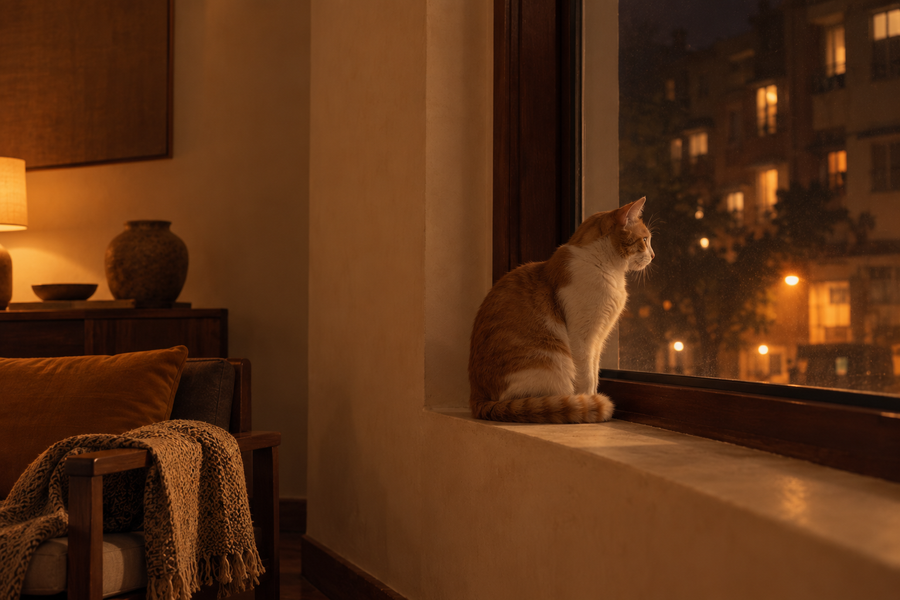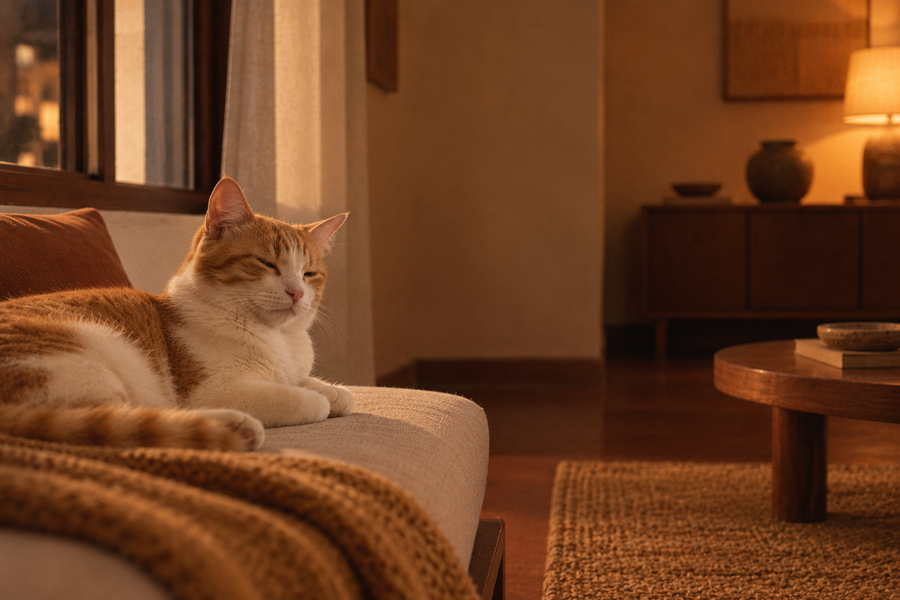
Older cats don't slow down so much as edit. Fewer jumps. More opinions.
The short version
Vets consider cats senior from the age of ten.
Arthritis is common and easy to miss. Make the home easier to use.
See the vet more often, and report small changes. They're usually the first sign.
What changes
Many cats live well into their late teens, and some past twenty. Along the way, they tend to sleep more, play in shorter bursts and become more set in their routines. That much is ordinary.
What isn't ordinary is easy to mistake for age. Cats are skilled at hiding discomfort, and many changes put down to "just getting old" are treatable.
Joints
Arthritis is very common in older cats, and very often missed. The signs are quiet: hesitating before a jump, no longer using high places, missing the litter box, grooming less, or seeming grumpy when handled.
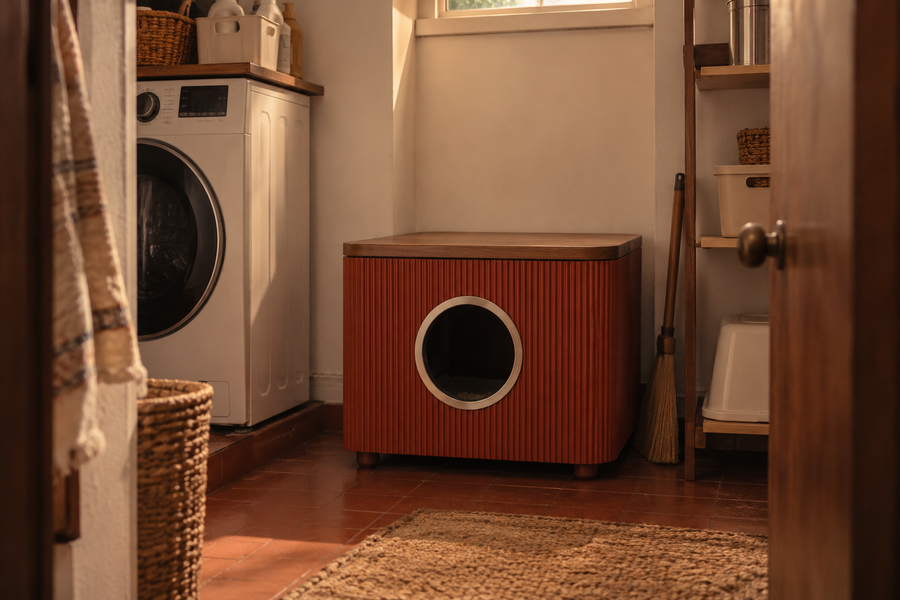
Help at home is simple. Add steps or a ramp to favourite spots. Use a litter box with a low side. Put soft, warm beds where your cat already likes to be. Then ask your vet about pain relief made for cats. Never give human painkillers, as several are poisonous to cats.
A cat that stops jumping hasn't lost interest. They've lost comfort.
Small changes, taken seriously
Keep an eye on weight, appetite, thirst, litter habits and teeth. Weight loss in an older cat with a big appetite can point to an overactive thyroid. More drinking and more urine can point to kidney disease or diabetes. Bad breath and messy eating often mean dental disease.
Some older cats become disoriented, especially at night, and cry out or wander. Age-related confusion is real in cats, as is gradual hearing loss, which often makes a cat louder without them noticing.
Worth knowing
Feline veterinary guidelines recommend check-ups at least every six months for senior cats, and every four months once they pass fifteen. A cat ages several years in the time between annual visits, and early blood and urine tests can catch problems before they show.
Keep the world small and good
Keep routines steady. Keep food, water and litter on one level. Play gently, a few minutes at a time. Brush the places a stiff cat can no longer reach. Warmth matters more than it used to.
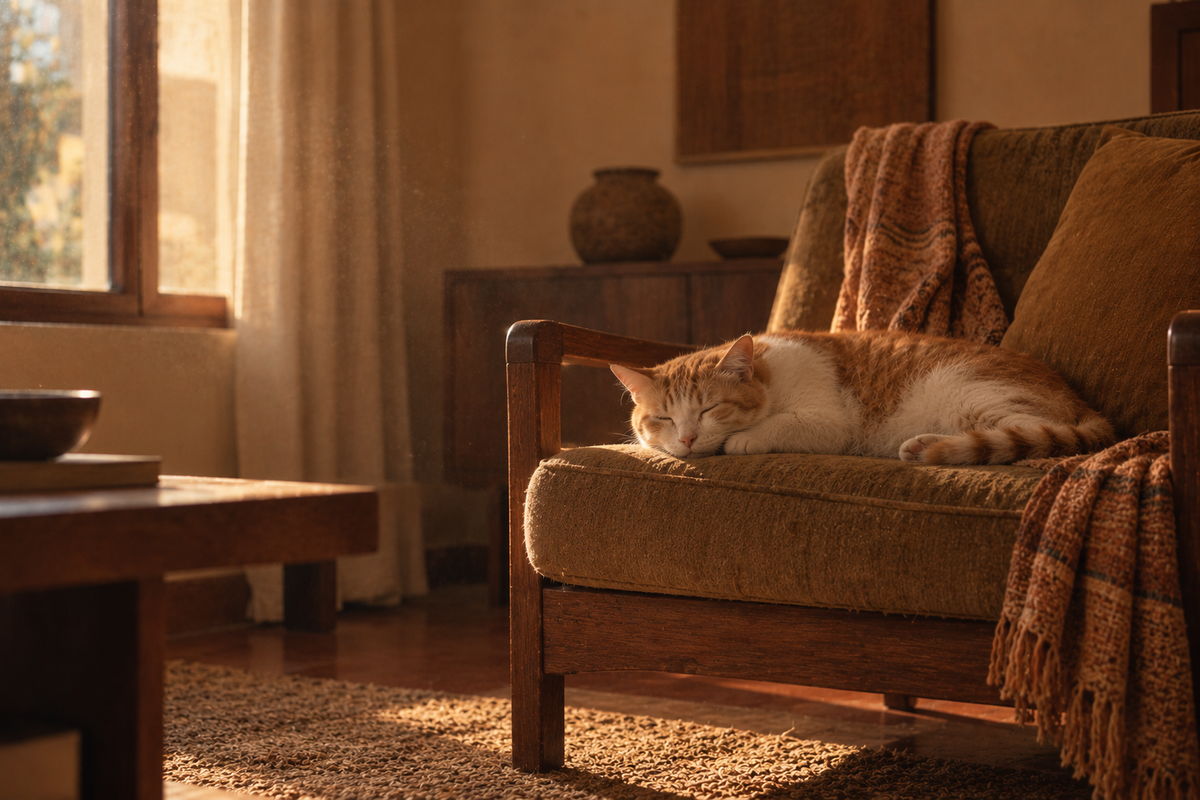
They've earned the best seat in the house. They were already in it.
Sources
- AAHA/AAFP Feline Life Stage Guidelines (2021)
- AAFP Feline Senior Care Guidelines (2021)
- Cornell Feline Health Center: Cognitive Dysfunction
Checked against published veterinary guidance. It is general information, not a substitute for your vet.
Catlas entries are general guidance, not a substitute for your veterinarian.